


Introduction to The Pahalgam Terrorist Attack 2025

In April this year whole India was shocked with the Pahalgam terrorist attack 2025 held in the beautiful hills of Kashmir. Baisaran Valley is known for the natural beauty of its meadows and as a famous tourist destination but now it is famous for an horrific massacre that left more than twenty people injured and 26 people dead. There were mainly Hindu and Christian tourists among the 26 victims, as well as a Muslim horse ride operator from the locality who tried to intervene. In this article we will be discussing the Indian standpoint on the Pahalgam terrorist attack.
These attackers were not just interested in spreading terror amongst civilians, but also destabilizing community harmony, and increasing tensions within the region. Indian authorities immediately identified the perpetrators of this attack as members of The Resistance Front. This is a proxy of Lashkar-e-Taiba, which has its base in Pakistan. It was a hot topic in India and trended on international media.
The Attack: A Chronology of the Massacre
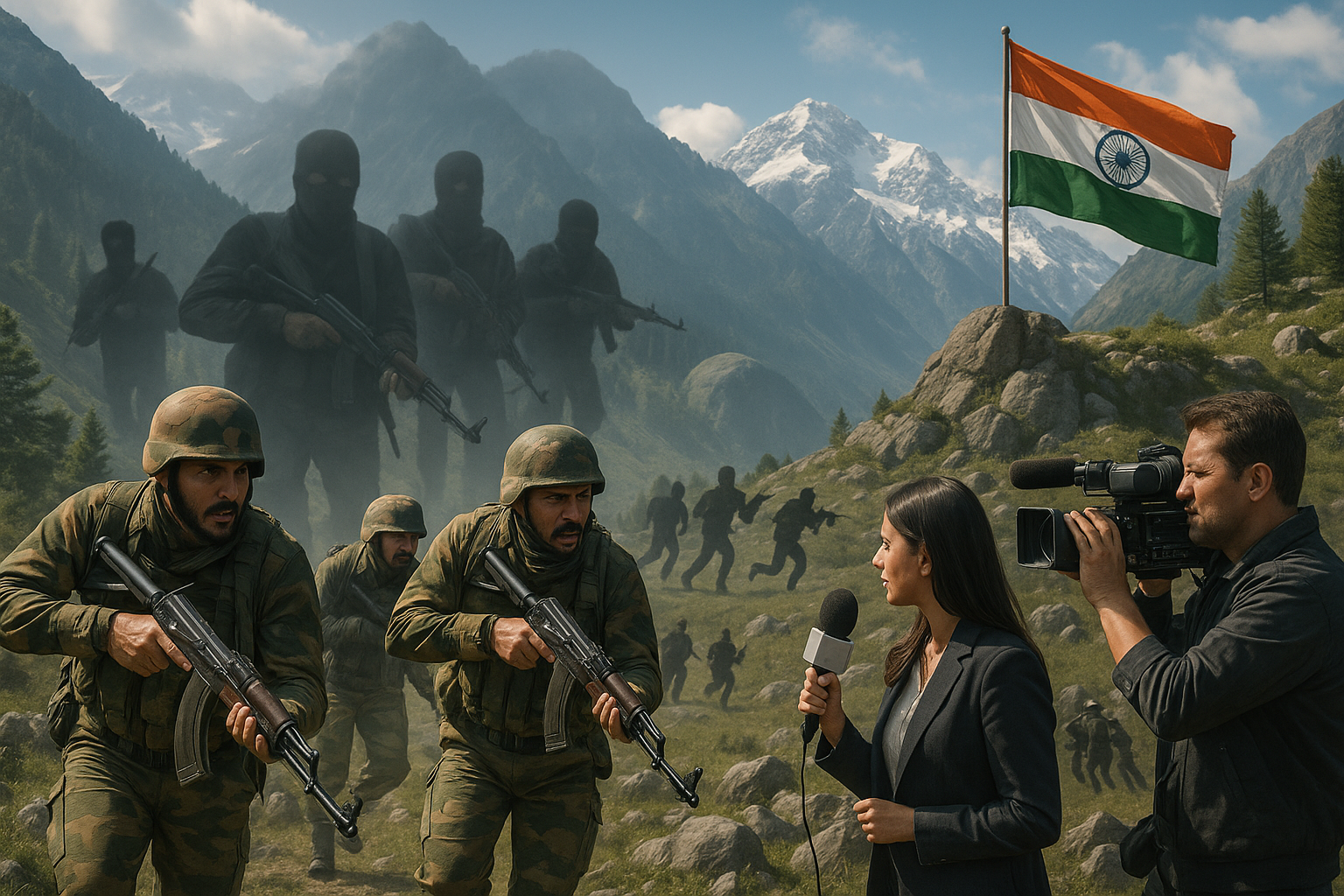
The attack occurred as a group was taking in the beautiful Baisaran Valley. The eye witnesses, those present their acclaimed that 5 militants came from forest area started firing recklessly. They were killing people by asking them their religion and also asked them to recite islamic religious Kalma to identify the non-muslims to kill them.
The assailants had AK-47s with them and also M4 carbines. It is likely that they had scouted ahead and planned their attack. The attack was described by survivors as chaotic, terrifying and many barely escaped due to rapid intervention from Indian security forces. Video, photographs, and eyewitness reports from the Pahalgam attacks went viral on social media. This sparked public outrage all over the country.
The Resistance Front (TRF) and Other Terrorist Organizations

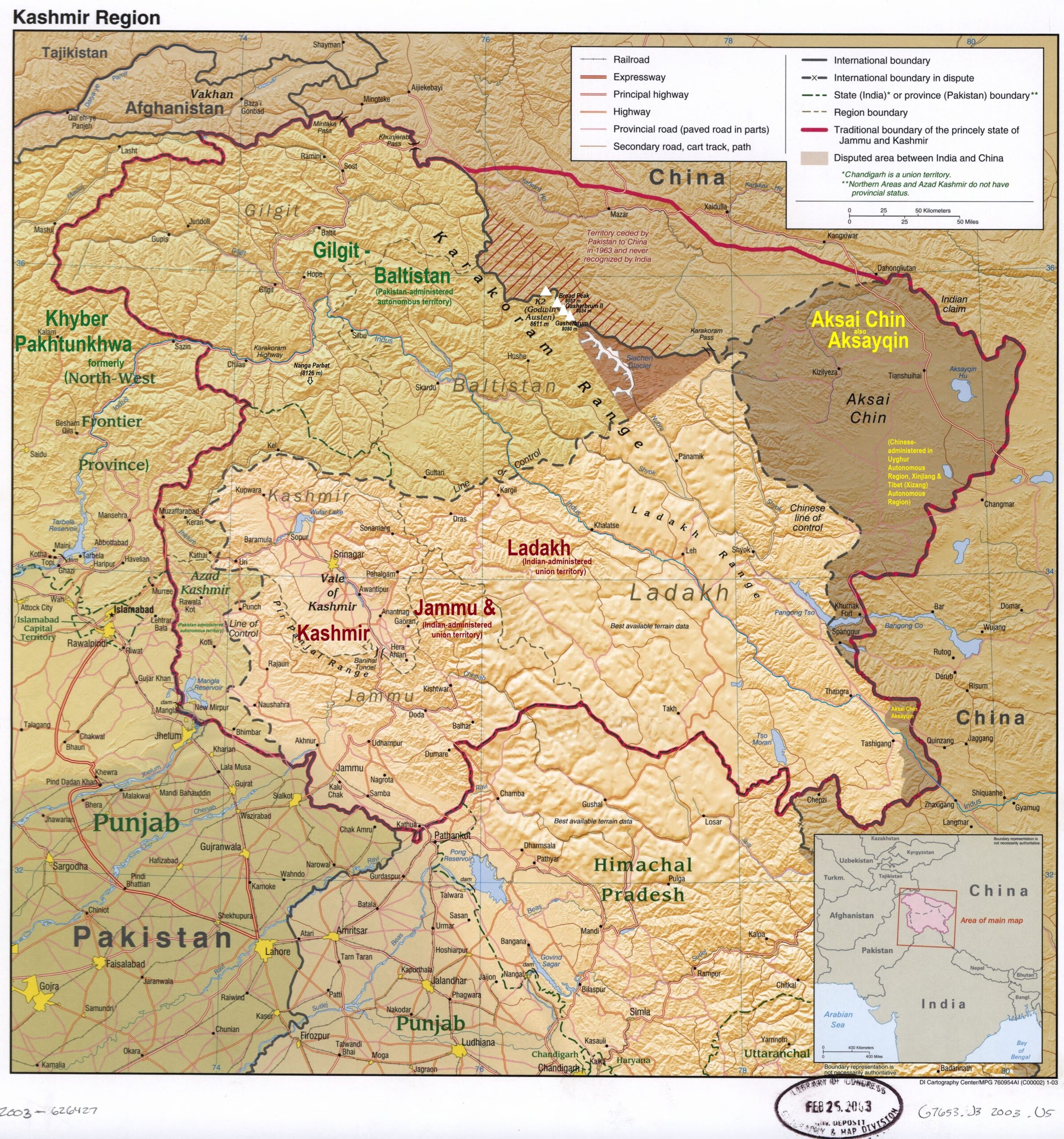
It is generally believed that the Resistance Front (TRF), which has been active since 2019 as an extension of Lashkar-e-Taiba, (LeT), operates behind this front. Security analysts and scholars note that TRF is a way for LeT to avoid international scrutiny and continue its terrorist campaigns in Jammu-and Kashmir. Indian reports claim that TRF is responsible for terrorizing Indian civilians and raising problems for Indian security forces. They also blame TRF for targeting killings.
Other Pakistani-based groups such as Jaish-e-Mohammed have supported similar goals in the past, including attacks against Indian civilians or security installations. Intelligence agencies indicated that while TRF was responsible for the Pahalgam attack, there may have been cross-group collaboration, with LeT or JeM elements providing logistical and intelligence support.
New Delhi security analysts have stressed that the TRF Lashkar-e-Taiba network operates in a coordinated manner, using recruits from Jammu and Kashmir and local sympathizers to plan ambushes and identify targets.
Local Collaborators and Intelligence Findings
Investigative findings revealed the terrorists were receiving significant help from local facilitators. Mohammad Yousuf Katari was arrested for providing logistics support and guiding militants on mountainous terrain. According to intelligence officials, local support is essential for infiltrating civil zones without being detected by security forces.
It is important to note that this aspect reveals a larger concern. Terrorist organizations use local grievances as well as poverty and ideology sympathies in order to recruit foot-soldiers and collaborators. This makes anti-terrorism efforts complex. The detailed analysis of the 2025 Pahalgam Terrorist Attack revealed that the area needs vigilant and continuous surveillance from armed forces with modern technologies.
India’s Immediate Response: Operation Sindoor

India immediately launched Operation Sindoor as a counter-terrorism campaign that was meticulously prepared. Its main goals were:
- Neutralize TRF-affiliated LeT members.
- Stop the funding of cross-border terror in Jammu Kashmir.
- It demonstrates the capability of India and its determination to act against terror attacks on civilians.
Indian Air Force (IAF) works professionally and they attack precisely on known terrorist sites only (gained information through intelligence organizations) without harming the civilian population. Security forces have also conducted precise raids around Dachigam to neutralize or apprehend operatives associated with the attacks.
According to military officials, during the increased post-attack surveillance, India tracked 12-13 Pakistani F-16s (including JF-17s) and found them. These aircraft reinforced India’s strategy of deterrence. A.P. Singh commended coordinated efforts made by Indian Army, CRPF & IAF.
Diplomatic Repercussions and International Response
This attack was met with immediate diplomatic reactions. India accused Pakistan of funding terrorism by its ISI agency. It claimed TRF as a Pakistani-backed organization. Pakistani authorities deny involvement and label the attack as a “false-flag,” however Indian officials have cited intelligence that links TRF and LeT with the attack.
After considering the evidence that India presented, the United Nations Security Council has recognized TRF’s responsibility for the Pahalgam Attack. Analysts suggested this was an important diplomatic coup for India as it allowed the country to bring up Pakistani-sponsored terror at international conferences.
India’s calculated response has helped to maintain the international legitimacy of its military actions while maintaining decisiveness.
Loss in Information Warfare and Strategic Lessons for India
In spite of India’s strong diplomatic and military response to the Pahalgam Attacks, it exposed weaknesses in information warfare. Initial panic was caused by misinformation. Delayed official updates as well as viral, but unverified, social media postings. Analysts pointed to the fact that the Pakistan-backed network exploited these gaps for narrative manipulation internationally. They were trying to portray India in a negative light, as it was unable to secure its civilian zone.
India can help by:
- Establishing Real-time Information Verification Units to Counter Fake News during Crisis
- The media should work closely with security forces and diplomatic channels for timely updates.
- Strategic social media campaigns are being deployed to showcase counter-terrorism success stories like Operation Sindoor (Operation Mahadev) and Operation Sindoor.
- To monitor narrative manipulation and to prevent it, invest in cyberintelligence and data analytics.
India will maintain credibility around the globe if it manages information warfare well. It also helps to prevent terrorists exploiting public panic.
Human Cost: Stories of Survivors and Victims
In addition to a Christian, the 26 victims came from Maharashtra (India), Gujarat (India), Uttar Pradesh (India) and other Indian provinces. Many families have reported long-term emotional trauma. Whereas some survivors of this pahalgam terrorist attack describe the attack as “a narrowly escaping death.”
A couple from Maharashtra recounted the story of how the mere 20-minute delay saved them from death, highlighting that it is often down to chance. Pahalgam communities are now dealing with the effects of the terrorist attack. This includes fearing a repeat and facing a drop in tourism.
Face-to-face interviews with survivors of the Pahalgam Attack and their stories have been widely circulated on social networks, causing public outrage and a discussion regarding security.
Operation Mahadev: Targeting Top Terrorists
India launched Operation Mahadev in July 2025 to build on the success and popularity of Operation Sindoor. The Operation Mahadev was launched on July 29, 2025 to target high-ranking TRF, LeT and other operatives involved in the Pahalgam Attack.
During an operation conducted in Dachigam by the Indian Army and CRPF along with the Jammu and Kashmir Police, they neutralized the three most senior LeT operatives, Suleman Hamza, and Zibran. The Indian Union Home Minister Amit Shah confirmed that the three operatives involved were the ones who committed the murders. This is a major step toward dismantling TRF’s Lashkare-Taiba connection. Analysts said this was a clear sign that India is committed to its citizens’ safety and to eliminating any threats.
Memorialization: The Sindoor Memorial
In order to honour the victims, India approved the Sindoor Memorial construction in Baisaran Valley. The Sindoor Memorial is meant to:
- Become a place of national remembrance.
- India’s resilience in the face of terrorism is symbolized by this symbol.
- Remember the 26 victims of brutal murder.
Narendra Modi approved the project personally, stating that the memorial would teach visitors the effects of terrorism while celebrating the courage and heroism of civilians as well local heroes.
Lessons and the Way Forward
India has learned several important lessons from the Pahalgam Attack.
- Vigilance for Tourist Zones : In areas with high civil traffic terrorists are more likely to strike, so enhanced surveillance is needed.
- TRF, a counter-proxy network: The challenges of proxy conflict are illustrated by organizations such as TRF. They emphasize the need for international coordination in order to monitor and sanction sponsors.
- Community Engagement: Involving local collaborators, the counter-terrorism operation is more effective when local police are involved.
- India’s calculated military response prevented the escalation of violence while demonstrating its power. This model can be used to combat cross-border terror.
- Memorialisation and Healing : Through the Sindoor Memorial we can honour victims, ensuring they do not forget their suffering. This also helps to promote national unity.
Conclusion
In the wake of 2025 Pahalgam, India is reminded that there are still threats against its social harmony and national security. In the event, terrorism is interwoven with local collaboration, international diplomacy and a well-organized TRF execution.
India has, as it mourns the loss of lives, reaffirmed that its goal is to defeat terrorism. It will also protect its citizens in Jammu, Kashmir, and promote peace. Sindoor Memorial serves forever as a symbol of resilience. unity, and memory, honouring those whose life was tragically cut short and the courage of those who still fight terror.
You can also check these links for the Detailed Analysis on Various Topics by Indian Standpoint
- US – Taliban Bagram Air Base Conflict 2025: Detailed Analysis by Indian Standpoint
- Air Defense Systems: Indian Standpoint’s Detailed Analysis
- Natural Disasters in Uttarakhand: An Indian Standpoint on Climate Change and Recommendations for a Safer Future
- Terrorist Organisations Involved in Pahalgam Attack of 2025